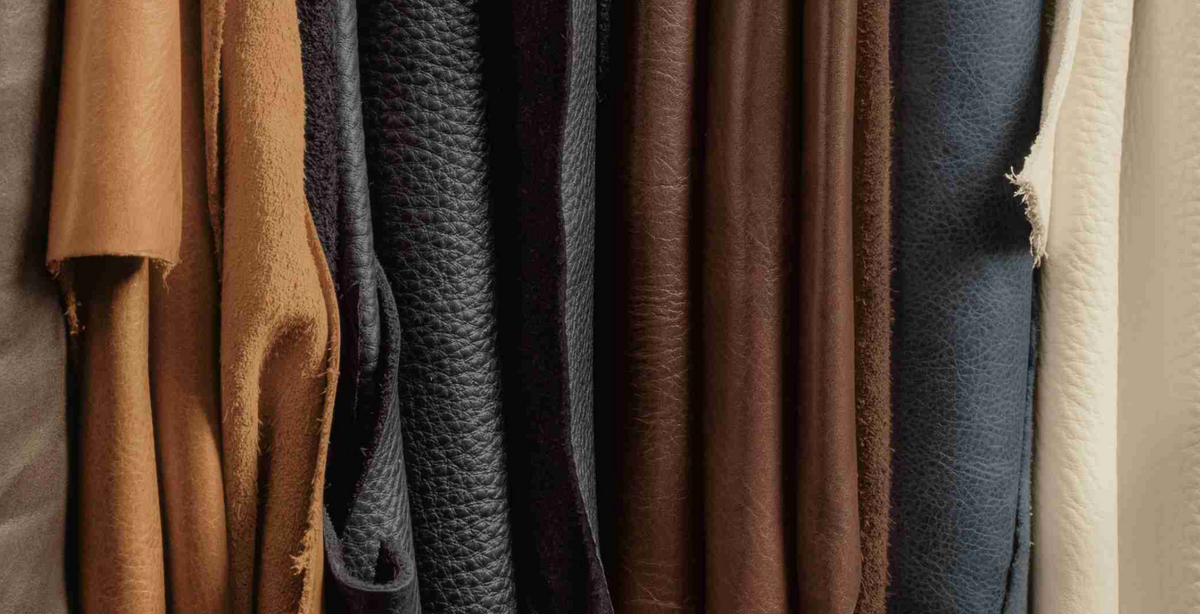
When it comes to choosing furniture, understanding the types of leather and synthetic leather available can help you make an informed decision. Leather, with its timeless appeal and durability, and synthetic leather, offering a versatile and often more affordable alternative, each have unique characteristics. In this guide, we’ll explore the various types of leather and synthetic leather, their benefits, and their ideal uses.
Types of Leather
- Full-Grain Leather
Characteristics:
- Highest Quality: Made from the top layer of the hide, including all of the natural grain.
- Durability: Extremely durable and develops a beautiful patina over time.
- Texture: Natural imperfections and marks are visible, adding to its unique character.
Ideal Uses: High-end furniture, luxury goods, and items that require exceptional durability.
- Top-Grain Leather
Characteristics:
- High Quality: Also made from the top layer of the hide, but the outermost layer is sanded and buffed to remove imperfections.
- Smooth Surface: Has a more uniform appearance and a smoother finish compared to full-grain leather.
- Durability: Still very durable, though slightly less so than full-grain leather.
Ideal Uses: Quality furniture, high-end accessories, and items where a smooth, polished look is desired.
- Corrected-Grain Leather
Characteristics:
- Processed Surface: The surface is sanded and embossed with an artificial grain to remove imperfections.
- Consistent Appearance: Offers a more uniform look, often dyed and treated for enhanced durability.
- Affordable: Generally more affordable than full-grain and top-grain leather.
Ideal Uses: Furniture, bags, and shoes that require a consistent appearance and are budget-friendly.
- Split Leather
Characteristics:
- Lower Layer: Made from the lower layers of the hide, split from the top grain.
- Suede Finish: Often has a suede-like texture, known for its softness.
- Less Durable: Not as strong or durable as full-grain or top-grain leather.
Ideal Uses: Budget-friendly furniture, accessories, and garments that don’t require high durability.
- Bonded Leather
Characteristics:
- Composite Material: Made from leftover leather scraps bonded together with polyurethane or latex.
- Economical: More affordable than genuine leather, but less durable.
- Varied Quality: Quality can vary widely depending on the amount of actual leather content.
Ideal Uses: Budget furniture and accessories that offer a leather-like appearance without the high cost.
Types of Synthetic Leather
- Polyurethane (PU) Leather
Characteristics:
- Realistic Look: Designed to closely mimic the appearance and feel of genuine leather.
- Durable: More durable than other synthetic options and resistant to cracking.
- Flexible: Soft and flexible, making it comfortable to use.
Ideal Uses: Mid-range furniture, car interiors, and fashion accessories.
- Polyvinyl Chloride (PVC) Leather
Characteristics:
- Highly Durable: Extremely durable and resistant to wear and tear.
- Waterproof: Excellent water resistance, making it suitable for outdoor use.
- Less Breathable: Can feel less breathable and less comfortable over time.
Ideal Uses: Outdoor furniture, marine upholstery, and items requiring high durability and water resistance.
- Microfiber Leather
Characteristics:
- Soft and Lightweight: Made from tightly woven synthetic fibers, offering a soft, suede-like texture.
- Highly Durable: Resistant to wear, stains, and water.
- Breathable: More breathable than other synthetic leathers, providing enhanced comfort.
Ideal Uses: Furniture, car interiors, and fashion accessories where a soft touch and durability are desired.
- Bio-Based and Recycled Synthetic Leathers
Characteristics:
- Eco-Friendly: Made from sustainable materials like plant-based or recycled components.
- Varied Textures: Can mimic various types of leather textures.
- Durability: Durability varies depending on the specific materials used.
Ideal Uses: Eco-conscious consumers looking for sustainable furniture and accessories.
Conclusion
Choosing the right type of leather or synthetic leather depends on your specific needs, preferences, and budget. Full-grain and top-grain leathers offer unmatched quality and durability, ideal for luxury and high-use items. Corrected-grain and split leathers provide a balance of quality and affordability, while bonded leather is an economical choice for those seeking a leather-like appearance. On the synthetic side, PU leather offers a realistic and durable alternative, PVC leather excels in durability and water resistance, microfiber leather provides a soft and breathable option, and bio-based leathers cater to eco-friendly preferences.
Explore our collection at The Mad Manor to find the perfect leather or synthetic leather furniture pieces to suit your home. Happy decorating!