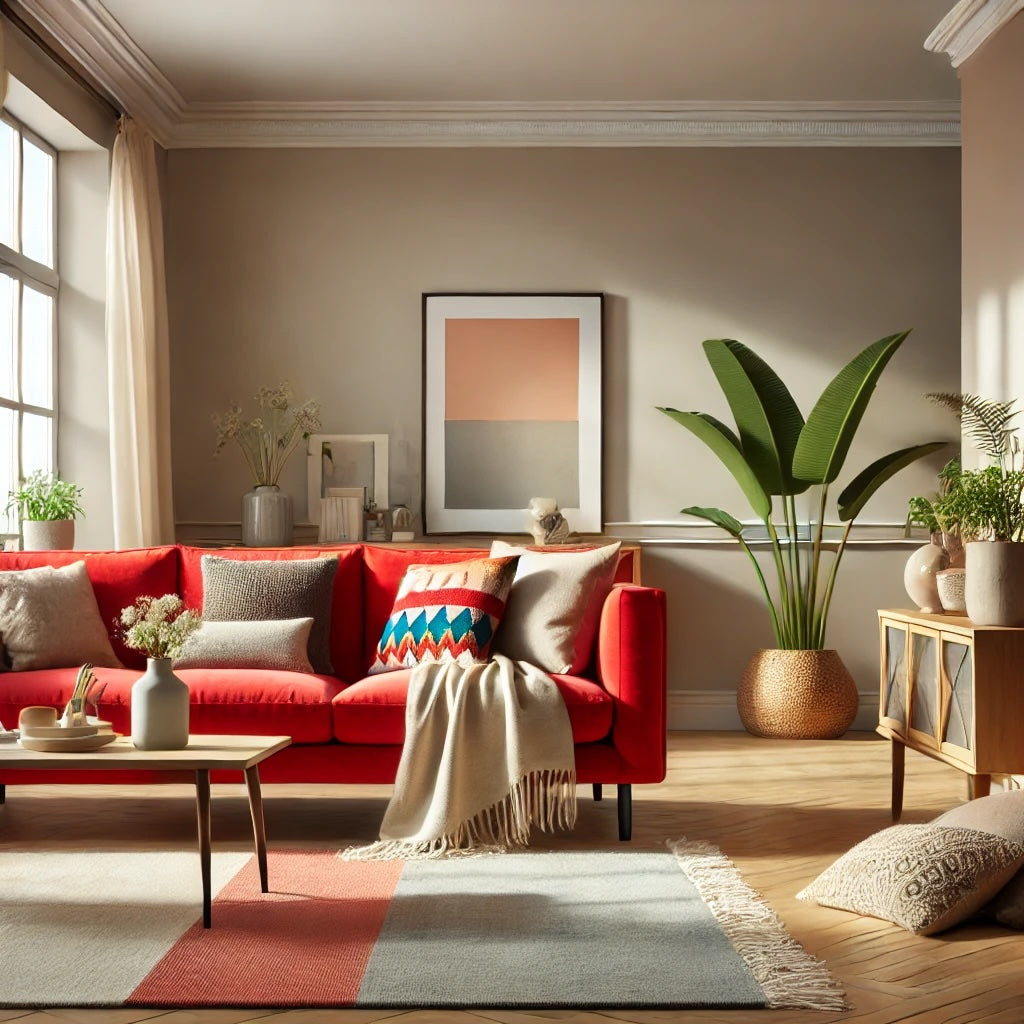
Color is one of the most powerful tools in interior design—it has the ability to influence mood, create focal points, and bring harmony to any space. When it comes to furniture, color can completely transform the atmosphere of a room, making it feel cozy, vibrant, or even sophisticated. If you’re looking to refresh your home or add more personality to your living spaces, understanding how to use color in furniture design can make all the difference. Here’s how you can harness the power of color to elevate your interiors.
The Psychology of Color: Setting the Mood
Color is more than just an aesthetic choice; it can deeply affect how we feel. Different colors evoke different emotions, and when applied thoughtfully to furniture design, they can help create the desired ambiance for any room.
• Warm Tones (reds, oranges, yellows): These colors are energizing and stimulating. They work well in living rooms or dining areas, where you want to create a lively, social atmosphere. Red, in particular, is known to encourage conversation, while yellow can make a space feel cheerful and inviting.
• Cool Tones (blues, greens, purples): Cool colors are calming and relaxing, making them ideal for bedrooms, bathrooms, or quiet spaces. Blue, for example, can promote tranquility, while green evokes a sense of balance and nature.
• Neutrals (grays, whites, browns, blacks): Neutral tones are versatile and timeless. They can serve as the perfect backdrop for bolder colors or help create a more subdued, peaceful vibe. White is fresh and clean, while brown or beige adds warmth and earthiness to a room.
Understanding these psychological effects allows you to choose furniture colors that will enhance your mood and match the functionality of your space.
Popular Color Trends in Furniture Design
Furniture color trends are constantly evolving, but some colors are making a major splash in 2025. From bold statement pieces to subtle accents, here are a few trends to keep an eye on:
1. Earthy Greens and Terracotta
Earth-inspired colors, like rich greens and terracotta oranges, are trending in 2025. These hues bring a grounded, organic feel to spaces and complement natural materials like wood and rattan. Green furniture can add a pop of vibrancy while maintaining a sense of calm and connection to nature.
2. Muted Pastels
Soft, muted pastels are gaining popularity as a way to introduce color without overwhelming the space. Think pale lavender, dusty rose, or light mint. These colors work well in minimalist or Scandinavian-inspired interiors, adding subtle warmth and personality to neutral color schemes.
3. Classic Navy and Deep Blues
Navy and deep blues are making a comeback in furniture design, offering a sophisticated alternative to black. These rich, timeless colors can anchor a room and work well with both modern and traditional furniture styles. Navy pairs beautifully with metals like gold and brass, making it a great choice for accent chairs or statement sofas.
4. Bold Jewel Tones
Jewel tones, like emerald green, sapphire blue, and amethyst purple, are perfect for creating bold statement pieces in any room. These rich, luxurious colors can elevate your space and are often used in velvet upholstery or luxurious, high-end furniture designs.
5. Warm Neutrals
Beige, camel, and taupe tones are becoming increasingly popular for sofas, chairs, and accent furniture. These warm neutrals create a welcoming, relaxed atmosphere, allowing you to layer in other colors through artwork, throw pillows, and rugs.
Tips for Choosing the Right Furniture Color
1. Consider the Size of Your Space
Light colors tend to make a room feel more spacious and airy, while darker tones can create a cozy, intimate atmosphere. If you have a small space, opt for lighter shades or consider pairing dark furniture with light walls and accessories to keep the room feeling open.
2. Balance Bold and Neutral Colors
While bold colors can make a striking impact, it’s important to balance them with neutral tones. For example, a bright red sofa can be complemented by neutral-colored walls, rugs, and accessories to keep the room from feeling too overwhelming. Alternatively, neutral furniture allows you to introduce color in smaller doses—through accent pillows, throws, or artwork.
3. Coordinate with the Room’s Purpose
Different rooms serve different purposes, and your furniture color choices should reflect that. For example, in a living room, you might want to use colors that promote conversation and energy, like vibrant oranges or deep reds. In a bedroom, soothing shades of blue or soft green may work better to create a calm, restful environment.
4. Test Before You Commit
Colors can look different in various lighting conditions, so it’s always a good idea to test your furniture color choices in your space. Consider using fabric swatches or paint samples in your room’s lighting before making a final decision.
5. Mix and Match Textures
Color isn’t just about paint or fabric—it’s also about texture. Combining different textures, like velvet, leather, or linen, with your chosen color can bring depth and dimension to your furniture. This technique is especially effective in creating contrast in a room, like pairing a soft pastel sofa with a leather ottoman or metallic table.
Using Color to Define Spaces
Furniture color can also be used to define different areas within an open-concept floor plan. For example:
• Use color to differentiate zones: In an open living space, you can use furniture with distinct color tones to define areas for relaxing, dining, or working. A deep-colored sofa in one corner can signify a cozy seating area, while a light-colored dining table in another can create a separate dining zone.
• Create flow with complementary colors: To create a cohesive look throughout your home, choose furniture colors that complement each other across different rooms. This doesn’t mean everything has to match, but choosing colors that are harmonious will create a sense of flow between spaces.
Conclusion
Color is one of the most effective ways to transform your home and express your personal style. Whether you choose to go bold with jewel tones or stick to subtle neutrals, furniture color has the power to change the entire vibe of a room. By understanding color psychology, keeping current trends in mind, and carefully selecting the right colors for each space, you can create a home that is both functional and beautiful. So, why not embrace the transformative power of color in your next furniture update? Your home—and your mood—will thank you!